
Mustard is one of those ingredients we reach for without thinking — a swipe on a sausage, a base for a sauce, a quiet workhorse in a rub. But this sharp, punchy condiment has a history that stretches back thousands of years, crossing empires, kitchens, and cultures before landing squarely in the world of BBQ.
Let’s trace mustard’s journey — from ancient medicine to pitmaster essential.
Mustard’s Ancient Origins
Mustard seeds have been cultivated for over 5,000 years, with early use documented in both India and the Mediterranean. The Romans were among the first to turn mustard into something recognisably close to what we know today.
They crushed mustard seeds and mixed them with unfermented grape juice (known as mustum), creating mustum ardens — literally “burning must.” That phrase eventually evolved into the word mustard.
At the time, mustard wasn’t just food — it was medicine. Romans believed it aided digestion, improved circulation, and warmed the body. The heat wasn’t just flavour; it was function.
Medieval Mustard: Europe’s Favourite Condiment
During the Middle Ages, mustard became one of the few spices widely available across Europe. Unlike pepper or cloves, mustard seeds could be grown locally, making them affordable and essential.
Monasteries often produced mustard, and entire towns became known for it. Dijon, in France, rose to prominence by refining mustard with verjuice and wine, creating smoother, more balanced styles that remain influential today.
By this point, mustard had fully transitioned from medicine to table staple — served with meats, cheeses, and preserved foods.
Why Mustard Loves Meat
There’s a reason mustard followed meat wherever it went.
Mustard’s acidity cuts through fat.
Its sharpness balances richness.
Its natural emulsifying properties help bind sauces and marinades.
Historically, mustard paired especially well with salted, smoked, or cured meats — exactly the kinds of foods people relied on before refrigeration. That natural compatibility is what later made mustard such a seamless fit for BBQ.
Mustard’s Role in American BBQ
When European settlers arrived in the Americas, they brought mustard seeds with them. Over time, mustard found a permanent home in regional BBQ traditions — particularly in the American South.
South Carolina’s famous mustard-based BBQ sauces are a direct result of German immigrant influence, blending Old World mustard traditions with New World pork and smoke.
Elsewhere, mustard became less visible but no less important — working quietly behind the scenes as:
-
a binder for rubs
-
a base note in sauces
-
a way to help seasoning cling to meat without overpowering smoke
In BBQ, mustard doesn’t shout. It supports.
Mustard in Modern BBQ (and Why It Still Matters)
Today, mustard plays two key roles in barbecue:
1. As a Flavour
Mustard powder adds subtle heat, tang, and depth without sweetness. It enhances savoury notes and lifts spices like garlic, pepper, and chilli.
2. As a Technique
Used as a rub binder, mustard helps seasoning adhere while cooking off almost entirely — leaving behind flavour, not condiment.
It’s one of BBQ’s great illusions: you use it generously, but you rarely taste it directly.
A Condiment That Earned Its Place
Mustard didn’t become a BBQ staple by accident. It earned its place through centuries of use with meat, smoke, and fire.
From Roman kitchens to medieval monasteries to backyard grills and offset smokers, mustard has always been there — sharp, reliable, and quietly essential.
It’s not flashy.
It’s not trendy.
But BBQ wouldn’t be the same without it.
And honestly? That’s the best kind of ingredient.
How We Use Mustard at The Feedlot
At The Feedlot, mustard isn’t about dominating flavour — it’s about structure, balance, and respect for the meat.
You’ll find mustard used very intentionally across our range.
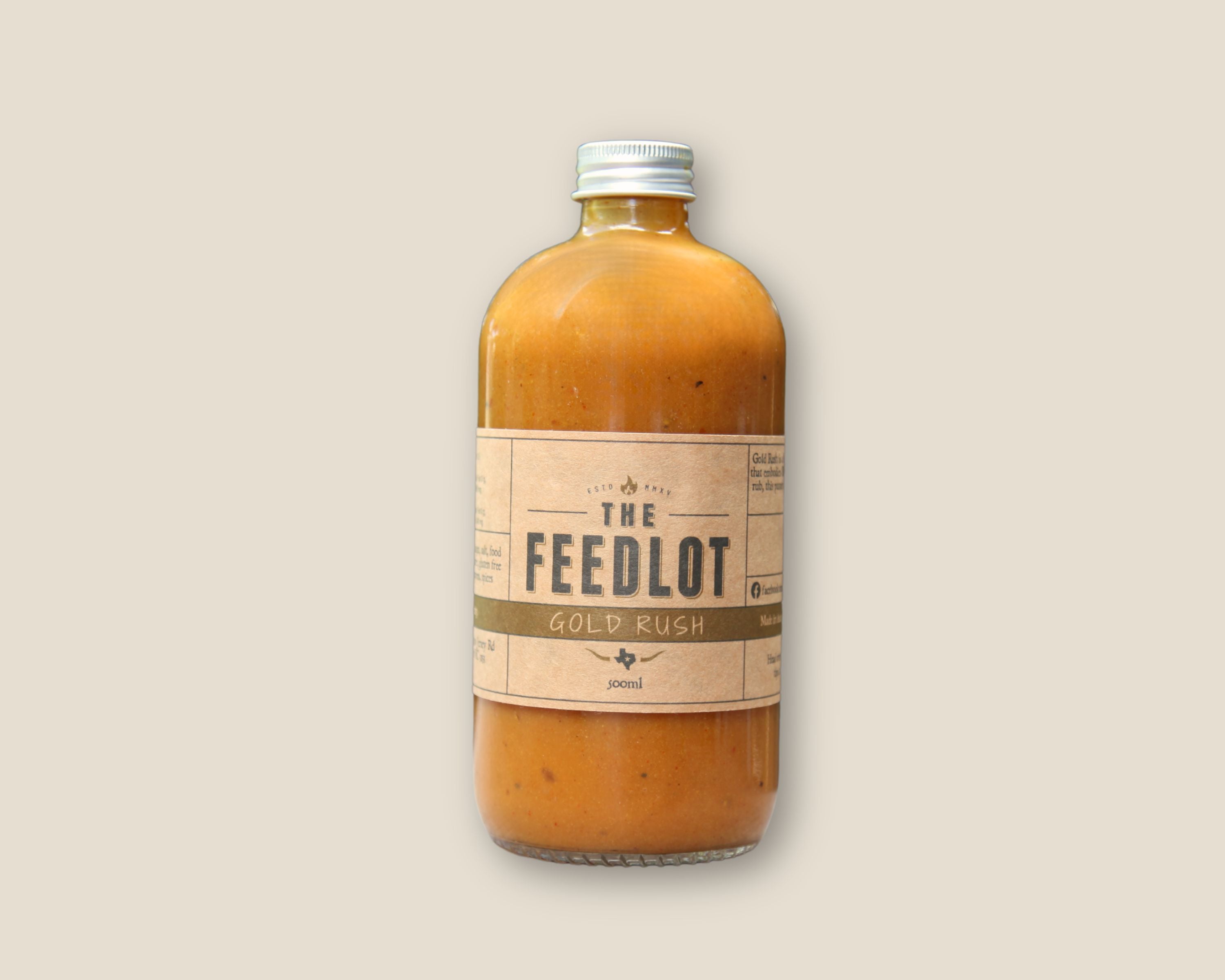
In our Gold Rush sauce, mustard forms part of the foundation, bringing acidity and depth that cuts through richness while letting smoke, sweetness, and savoury notes stay in balance. It’s there to support the sauce — not announce itself.
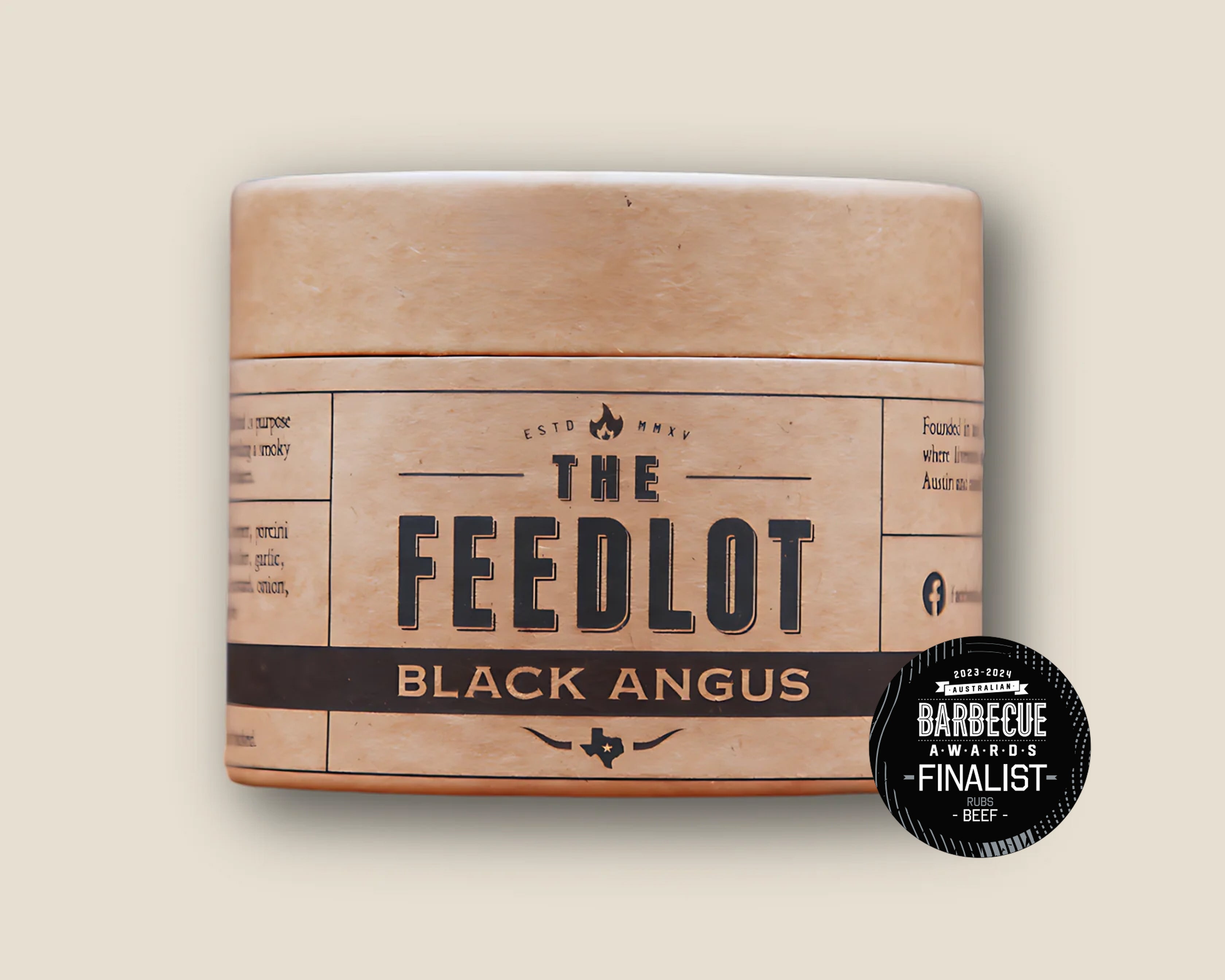
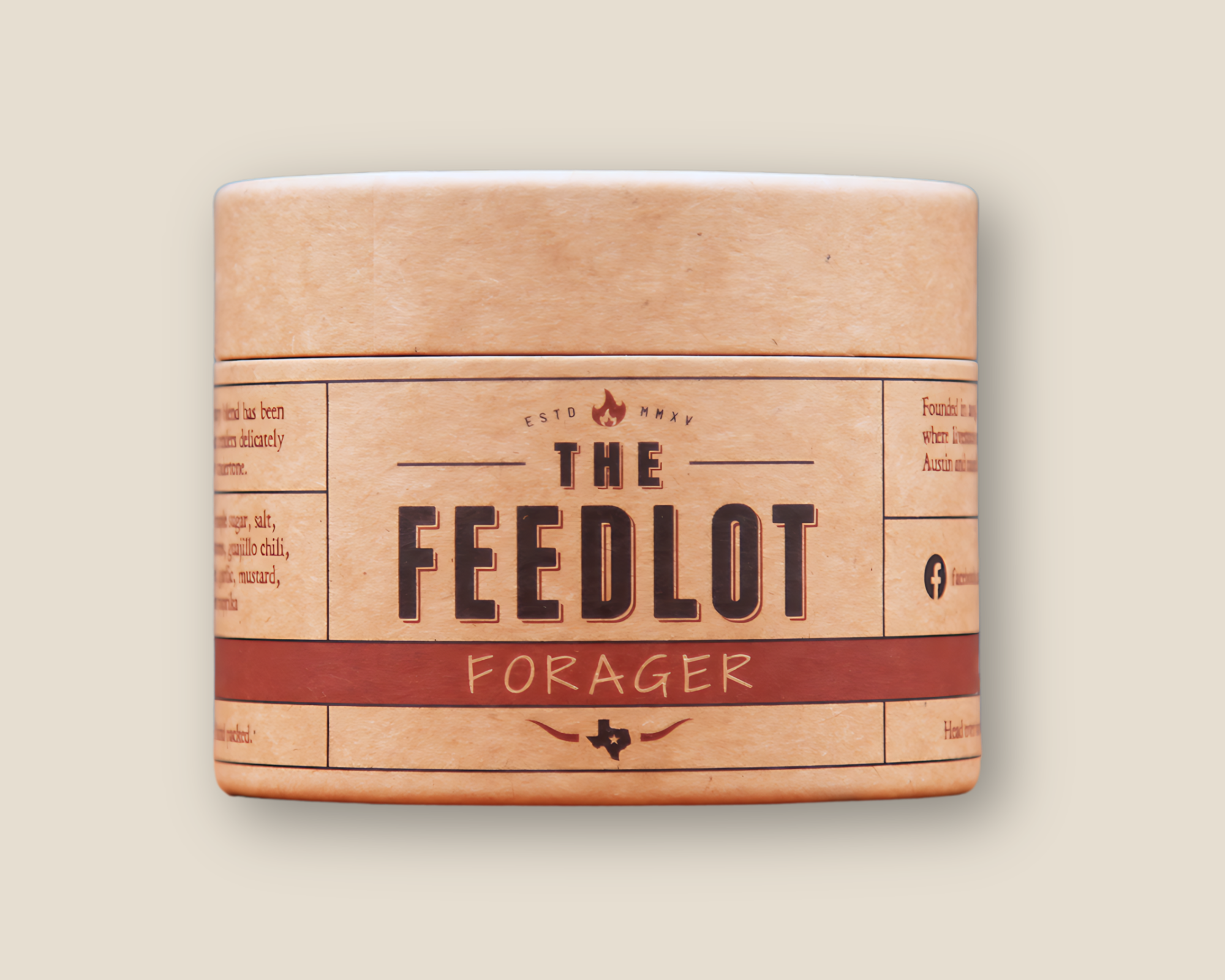
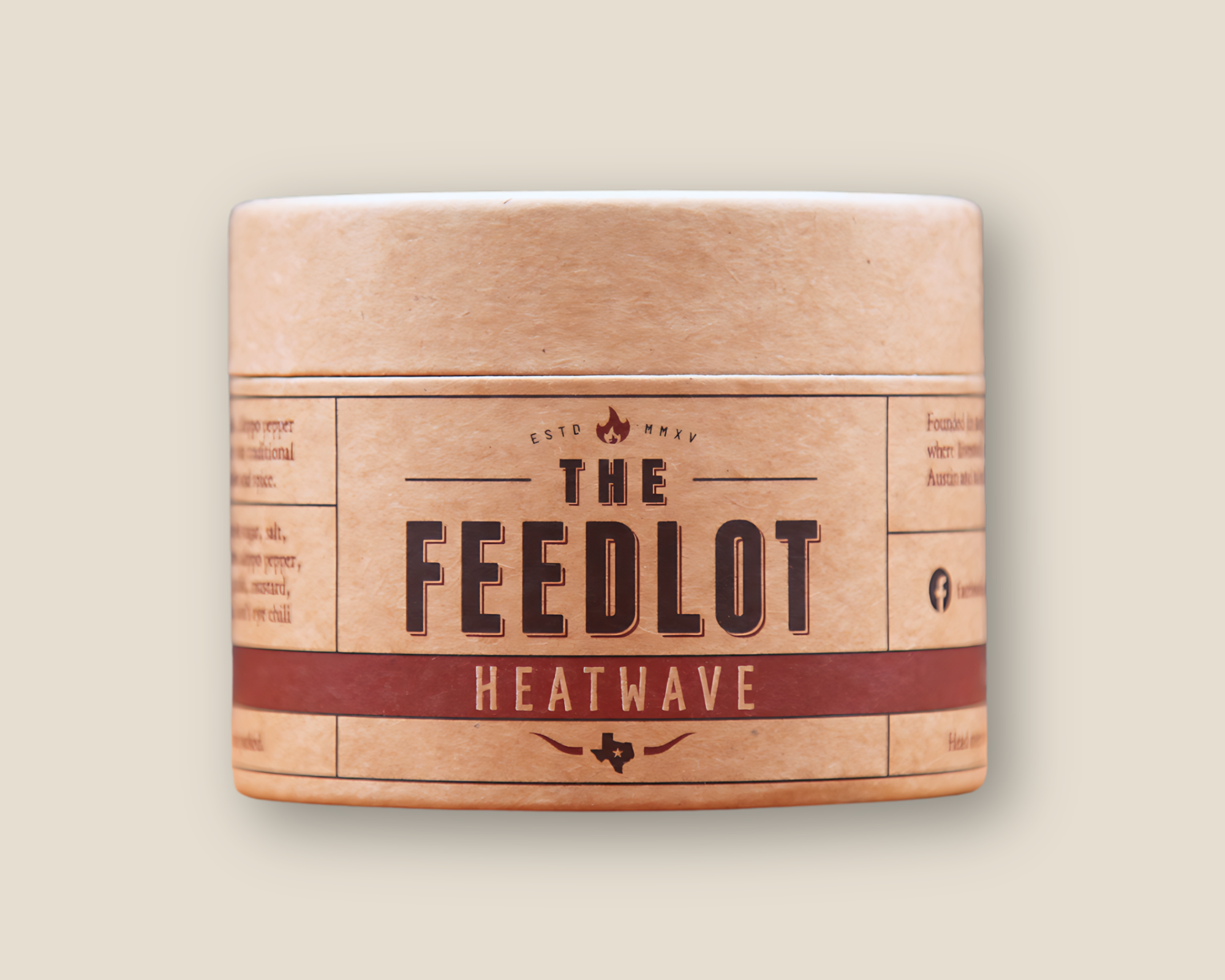
In our rubs, mustard appears more quietly. We use mustard powder in Black Angus, Forager, and Heatwave to lift savoury flavours, enhance pepper and spice, and help build the kind of bark that only comes from time, heat, and smoke. It’s not a flavour you can point to — it’s one that rounds everything out.
Just like pitmasters have done for centuries, we use mustard the way it’s always been used in barbecue: as a tool, not a shortcut.
Because when an ingredient has survived thousands of years of fire-based cooking, you don’t need to reinvent it — you just need to use it properly.